
Ordering custom furniture for a property in Lombok involves more than choosing a design and requesting a price. Whether you’re furnishing a private villa, developing a resort, or preparing a restaurant for opening, the decisions you make before production can affect how well the finished furniture fits your space, meets your expectations, and arrives ready for use.
The best place to start is with a clear furniture brief, accurate measurements, agreed specifications, and a delivery plan that reflects the actual condition of your property.
This guide explains how to prepare a custom furniture order, what to review before approving it, and how to coordinate delivery and installation in Lombok.
If you’re exploring made-to-order options, you can also learn more about custom furniture services for properties in Lombok.
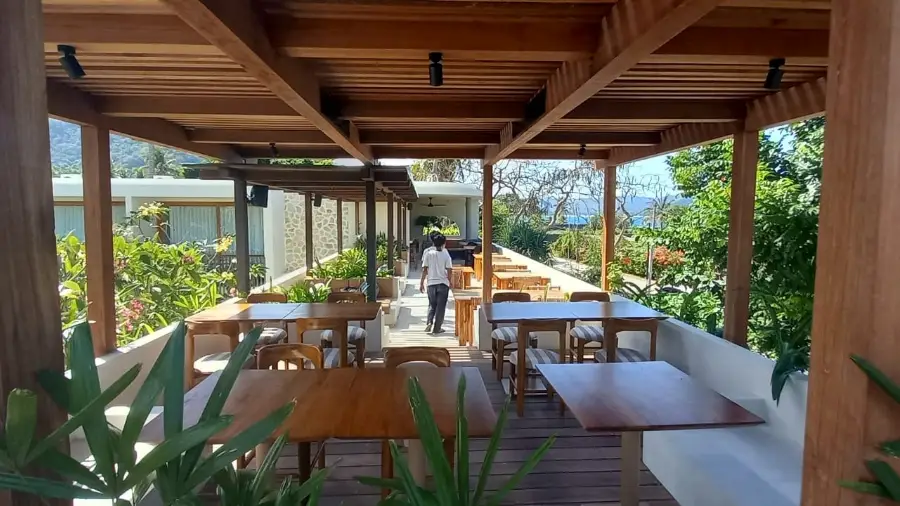
1. Prepare a Room-by-Room Furniture Brief
Before contacting a furniture supplier, think about how each space will be used and what furniture it actually needs.
A reference image can communicate the style you like, but it rarely tells the full story. A dining chair that looks attractive in a photograph, for example, may not have the dimensions, comfort, or maintenance requirements appropriate for a busy hospitality environment.
Start by creating a furniture list for each room or area of your property.
For a private villa, this might include beds, bedside tables, wardrobes, dining furniture, lounge seating, and outdoor pieces. A hospitality project may also require reception furniture, restaurant seating, storage units, or other furniture designed for frequent use.
What Should Your Furniture Schedule Include?
A practical furniture schedule should identify the following:
| Information | What to Include |
|---|---|
| Room or area | Bedroom 01, living room, terrace, restaurant dining area |
| Furniture item | Bed frame, dining table, chair, wardrobe, sofa |
| Quantity | Number of units required |
| Dimensions | Proposed width, depth, and height |
| Materials and finishes | Preferred wood, upholstery, colour, or surface finish |
| Design reference | Photograph, sketch, mood board, or drawing |
| Special requirements | Storage, outdoor exposure, maintenance, or access constraints |
You don’t need a complete technical drawing for every item at the initial enquiry stage. Even a simple room-by-room list with reference images provides a useful starting point.
For larger properties, assign a unique item code to each furniture piece or group. This makes it easier to connect quotations, drawings, approvals, and delivery records to the correct furniture.
Buyer tip: Don’t rely on room names alone. If multiple bedrooms require similar furniture with different dimensions, record those differences individually.
2. Confirm Measurements, Drawings, and Site Constraints
One of the most important steps in ordering custom furniture is ensuring that the proposed dimensions correspond to the actual space.
Architectural drawings provide a useful starting point, but measurements taken during construction may differ from the finished dimensions after wall finishes, flooring, or built-in elements have been installed.
This becomes particularly important for wardrobes, kitchen cabinetry, wall-mounted units, and furniture designed to fit between architectural features.
Understand the Difference Between Proposed and Final Dimensions
At the early design stage, furniture dimensions may still be provisional. Before production, the buyer and supplier should establish which measurements have been verified and which require confirmation.
Pay particular attention to:
- Furniture fit: Allow sufficient space for circulation, seating, drawer operation, and doors.
- Finished dimensions: Account for flooring, wall finishes, skirting, and other relevant architectural details.
- Access routes: Check door openings, corridors, staircases, corners, and any restricted passageways.
- Installation conditions: Identify uneven floors, wall-mounted elements, electrical outlets, and other features affecting placement.
For a large dining table or sofa, there is little value in approving the perfect design if the finished piece cannot pass through the property entrance.
Ask your supplier who will be responsible for verifying final measurements. Where onsite measurement is required, confirm whether it is included in the agreed project scope.
The key decision: Dimensions should be approved against the actual property conditions, not simply accepted because they appear correct in a drawing.
3. Choose Materials, Finishes, and Upholstery for How the Furniture Will Be Used
A material that works well for a bedroom cabinet may not be the most suitable choice for an exposed terrace or a restaurant dining area.
Furniture selection should consider appearance, but also location, frequency of use, cleaning requirements, and maintenance expectations.
For properties in Lombok, the distinction between protected indoor spaces, covered outdoor areas, and furniture directly exposed to weather deserves particular attention.
Match Materials to the Environment
Solid wood, engineered wood, rattan, metal, and upholstered furniture all have different characteristics. Their suitability depends on the construction, finish, intended use, and surrounding conditions.
When reviewing materials, consider these questions:
For wooden furniture: What timber or panel material is specified? How is the furniture constructed and finished? What maintenance will it require? Solid timber can respond to changes in moisture and environmental conditions, so construction and finishing details matter.
For outdoor furniture: Will the item be placed under a roof or exposed to rain and direct sunlight? Are the frame, surface finish, fittings, and upholstery suitable for that specific exposure?
For upholstered seating: What fabric is proposed? Is it practical to clean or replace? Does the cushioning suit the intended use, particularly for hospitality furniture that receives frequent daily use?
For frequently used furniture: Are the joints, hardware, and finishes appropriate for repeated handling, movement, or cleaning?
Don’t assume that a material is automatically suitable simply because it is marketed as premium.
Where appearance is important, request clarification about finish colours, textures, or samples where available. Photographs can help narrow a preference, but colours may appear different under actual lighting.
Bali Best Buy Furniture offers made-to-order furniture options across residential and hospitality categories. The specific material and finish should still be agreed for each project.
4. Review the Quotation Before Approving Your Order
Two quotations for similar-looking furniture can describe substantially different products and services.
One supplier may quote for the furniture alone, while another may include certain delivery or installation activities. Material specifications, construction details, and finishing requirements may also differ.
For that reason, comparing only the total price is rarely enough.
What Should a Custom Furniture Quotation Clarify?
Before accepting a quotation, review the following information:
Furniture specifications
Each item should be identifiable through its description, quantity, dimensions, materials, finishes, and relevant design reference.
Production scope
Clarify whether the quotation covers only loose furniture or also includes built-in cabinetry, hardware, upholstery, or other components.
Design and approval requirements
Confirm whether drawings, samples, or technical revisions are included, and how changes will be handled.
Delivery and installation
Ask whether packing, transportation to Lombok, unloading, assembly, final placement, and installation are included or charged separately.
Payment and schedule
Review the agreed payment stages, production scheduling assumptions, delivery arrangements, and conditions that could affect completion.
After-sales arrangements
Clarify the applicable warranty or service terms, what they cover, and how any concerns after delivery should be reported.
Why Written Specifications Matter
Imagine receiving a quotation for ten dining tables described only as “custom wooden dining tables.”
The description leaves several important questions unanswered: What are the exact dimensions? Which wood is specified? What finish is required? Does the design include a particular base or edge profile? Is installation included?
Clarifying these details before approval makes it easier for both parties to understand what has actually been ordered.
For developers or hospitality operators managing several furniture categories, this documentation also helps avoid confusion between the supplier, interior designer, contractor, and property owner.
Buyer tip: Ask for inclusions and exclusions to be clear. A detailed quotation is not necessarily the cheapest, but it is easier to evaluate against your requirements.
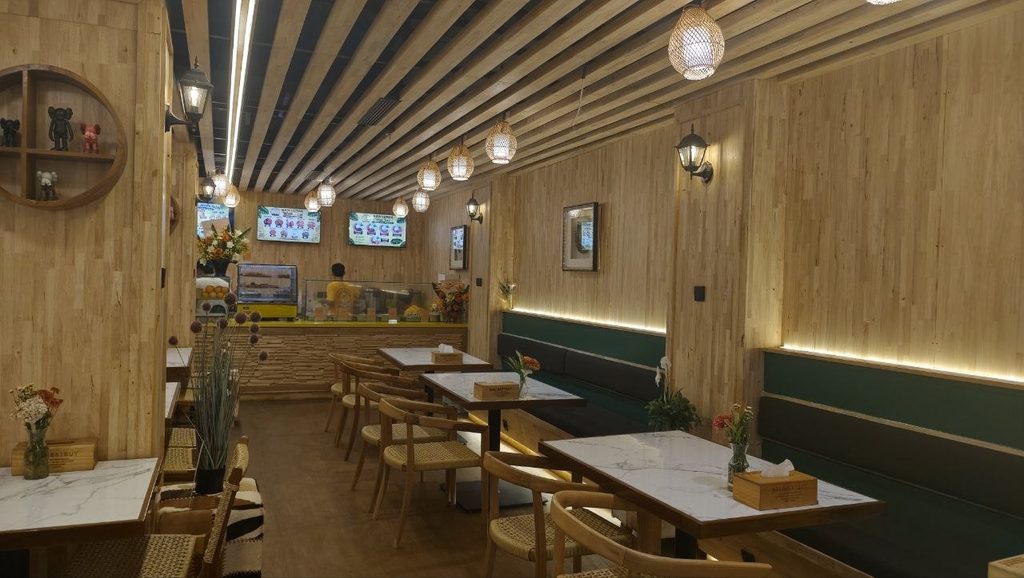
5. Establish Clear Approval Checkpoints Before Production
Once the furniture requirements and quotation have been reviewed, the next priority is ensuring that the approved specifications are sufficiently clear for production.
The exact approval process can vary between suppliers and projects. Not every order will require the same drawings, samples, or documentation.
However, buyers should know what they are authorising before production proceeds.
What to Confirm Before Giving Final Approval
Check that the following details have been agreed where applicable:
- The furniture design and intended function.
- Final dimensions and quantities.
- Materials, colours, finishes, and upholstery selections.
- Approved drawings or visual references.
- Any specific hardware or construction requirements.
- The procedure for requesting changes after approval.
Where drawings or finish samples form part of the project, identify which versions are approved. This is especially useful when multiple stakeholders are involved.
For example, an architect may approve a furniture dimension while a villa owner approves the upholstery colour. If these decisions are communicated separately, the final agreed specification should still be unambiguous.
Changes requested after production has started may affect costs, materials, or scheduling. Ask your supplier how such changes are managed rather than assuming revisions can be made without consequences.
What Happens During Production?
Custom furniture production generally involves preparing materials, making individual components, assembling the furniture, applying the selected finish, and checking the completed items.
The precise sequence depends on the furniture design and production method.
For a closer look at workshop stages, see our existing guide to how custom furniture production works in Bali.
For your Lombok project, the more important purchasing question is what information or confirmation you should expect at each agreed stage.
If progress photographs, inspections, or other updates are important to your project, discuss their availability before placing the order.
6. Plan Furniture Transportation and Installation in Lombok
A furniture order is not complete simply because the products have been manufactured.
The delivery arrangement must also account for where the property is located, how the furniture will reach the site, and whether the building is ready to receive it.
For furniture produced in Bali and transported to Lombok, this may require coordination between production, transportation, local access, and installation activities.
The exact shipping method, responsibilities, and schedule should be confirmed for the individual order.
Confirm Transportation Responsibilities
Ask your supplier who is responsible for packing, arranging transportation, unloading, moving the furniture into the property, and assembling or installing it.
Also clarify how delivery-related damage or missing items should be documented and reported.
For large items, discuss whether the furniture will arrive fully assembled or require assembly onsite.
A design that can be transported in sections may simplify access in certain situations, but this needs to be considered during design approval rather than assumed at delivery.
Prepare Your Property Before Delivery
A useful site-readiness review includes:
Vehicle access: Can the delivery vehicle approach the property safely? Are there narrow roads, steep entrances, restricted gates, or unloading limitations?
Internal access: Can furniture move through the entrance, corridors, stairs, and other relevant spaces?
Building readiness: Are flooring, painting, and other potentially damaging construction activities sufficiently complete?
Storage and protection: Is there a dry, secure location for furniture if immediate installation is not possible?
Site coordination: Who will receive the delivery, provide access, check quantities, and communicate with the installation team?
These considerations are particularly relevant when a villa or hospitality project is still under construction.
If the property is not ready, bringing finished furniture to the site too early may increase the risk of damage or additional handling.
Coordinate With Your Construction or Interior Team
Developers, contractors, and interior designers should align furniture installation with the broader project schedule.
Built-in furniture may depend on completed wall surfaces, flooring, electrical provisions, or other works. Loose furniture is often better introduced when major construction activities no longer threaten its condition.
Agree on practical responsibilities before the planned arrival date.
An important distinction: A proposed furniture delivery date and a confirmed site-ready installation date are not necessarily the same thing.
7. Inspect Your Furniture Before Final Handover
When the furniture arrives and the agreed installation work is complete, allow time to review the finished items against the approved specifications.
A practical inspection can help identify differences or issues while delivery and installation details are still fresh.
A Practical Furniture Handover Checklist
Quantity and identity
Confirm that the items delivered match the agreed furniture schedule and quantities.
Dimensions and positioning
Check the furniture against the approved dimensions and intended placement, particularly for fitted pieces.
Surface condition
Look for visible scratches, chips, finish inconsistencies, damaged upholstery, or other concerns.
Function and stability
Check that seating feels stable and that doors, drawers, hinges, and other moving components function as intended.
Installation details
For items requiring onsite assembly or fixing, review the completed work against the agreed installation scope.
Outstanding items
Record anything missing, incomplete, or requiring attention. Photographs and item references can make follow-up communication more precise.
If discrepancies are identified, document them and agree on the appropriate next steps with the supplier.
Ask how final acceptance, after-sales support, and any applicable service or warranty terms are handled under your order.
The objective is not merely to confirm that the furniture looks attractive. It is to check whether the delivered items correspond to what was agreed and function appropriately in the property.
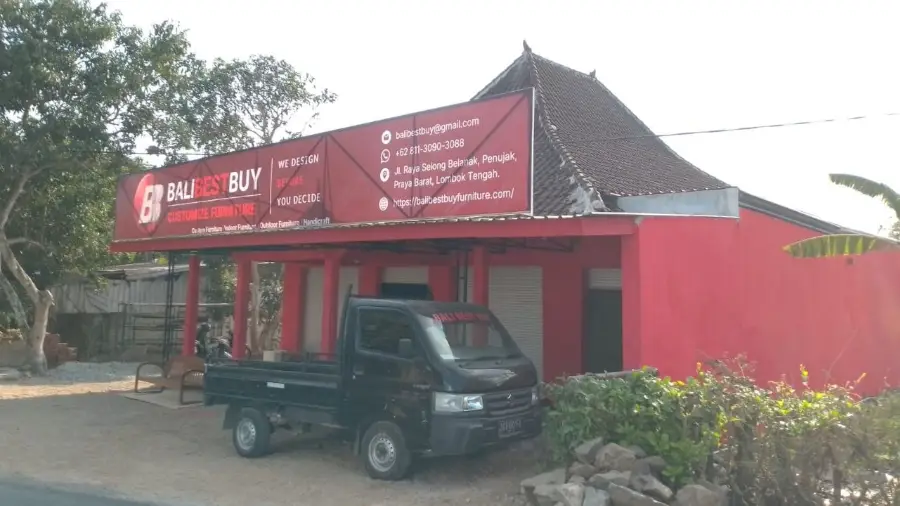
Custom Furniture in Practice: Boni Beach Restaurant, Lombok
A relevant example of Bali Best Buy Furniture’s work in Lombok is the Boni Beach Restaurant furniture project in Selong Belanak.
For this project, Bali Best Buy Furniture produced made-to-order teak dining tables and chairs for the restaurant area.
The documented scope demonstrates how custom furniture can be developed for a specific hospitality setting rather than selected only from standard retail designs.
The furniture needed to relate to the restaurant’s dining function and surrounding environment, making dimensions, material selection, quantities, and design direction relevant considerations.
Although every project has different requirements, this example illustrates the value of defining furniture around the way a property will actually be used.
Ready to Discuss Your Lombok Furniture Requirements?
A successful custom furniture order begins with a clear understanding of what the property needs, how the furniture should function, and what must be agreed before production and delivery.
You don’t need to have every technical detail finalised before making an initial enquiry. A furniture list, floor plan, reference images, or a few measurements can provide a useful starting point.
Bali Best Buy Furniture works with residential and hospitality furniture requirements, including made-to-order pieces for villas, restaurants, resorts, and private properties.
Planning custom furniture for your Lombok property?
Share your furniture requirements, available drawings, room measurements, reference images, or project brief with our team. Include your project location and intended installation period if known.
We can review your enquiry and discuss the next steps for your furniture project.
Discuss Your Custom Furniture Project With Bali Best Buy Furniture →