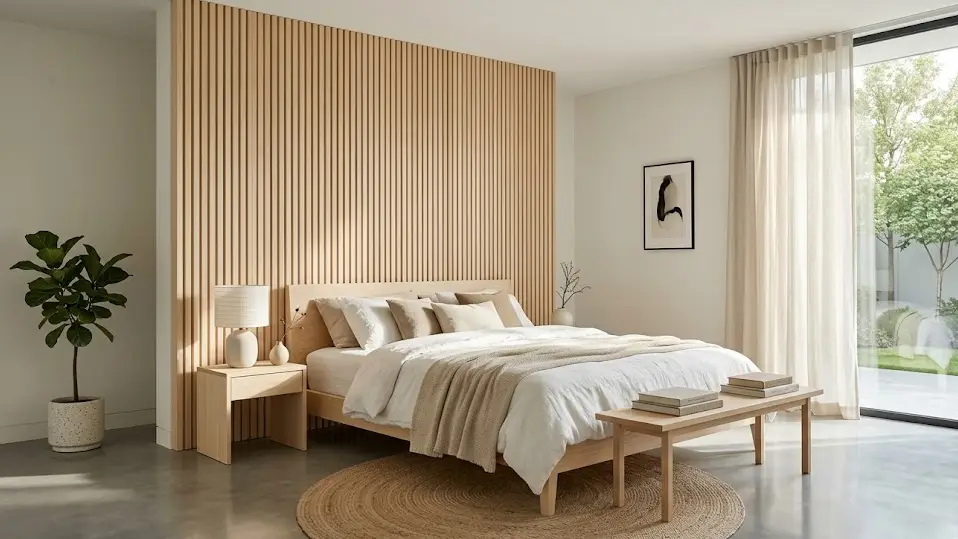
When you embark on the journey of furnishing a luxury villa or designing a tropical modern home, the materials you choose dictate the soul of the space. In the realm of high-end interior design, authentic natural wood is the undisputed foundation. It brings warmth, organic texture, and a grounding energy that synthetic materials simply cannot replicate.
However, as you browse through Pinterest boards and architectural digests, you will quickly notice a massive debate within the design community, particularly for properties built in or inspired by Bali. The conversation almost always boils down to two heavyweight contenders: Teak wood (Kayu Jati) and Sungkai wood.
Both of these tropical hardwoods are visually stunning and highly sought after, but they serve very different aesthetic purposes and possess entirely different structural characteristics. If you are planning to commission custom furniture or architectural joinery, making the wrong choice can lead to costly mistakes down the line.
In this comprehensive guide, we will break down the exact differences between Teak vs. Sungkai wood, explore their best applications in modern interior design, and explain how partnering with an expert custom wood furniture manufacturer can ensure your investment lasts a lifetime.
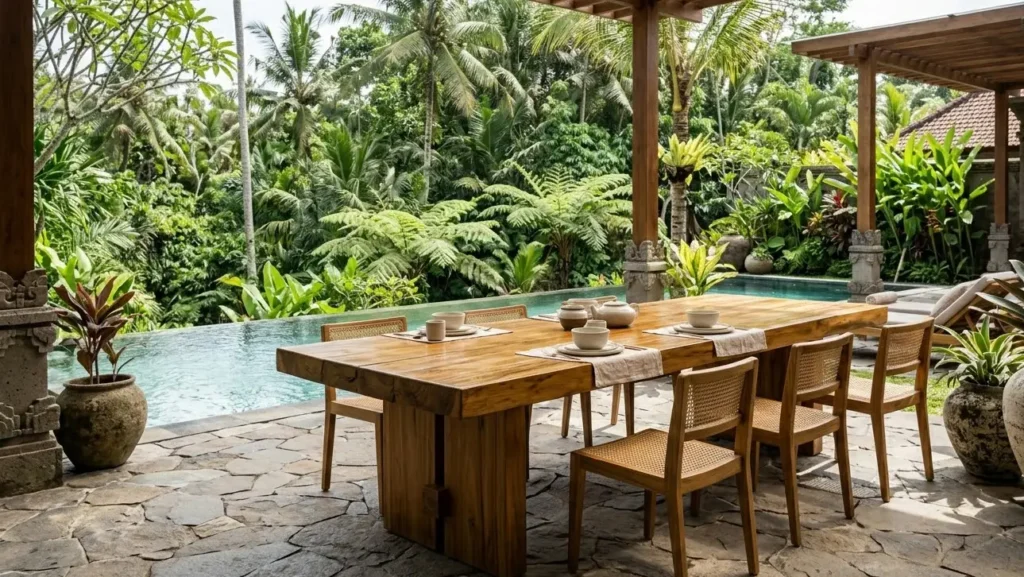
Teak Wood (Kayu Jati): The Undisputed King of Hardwoods
For centuries, Teak wood has been revered globally as the gold standard for luxury furniture, shipbuilding, and premium architectural elements. When people think of high-end solid teak furniture Bali, they are envisioning a material that is virtually indestructible.
Unmatched Durability and Natural Oils
What makes Teak so extraordinarily special is its dense grain structure and its exceptionally high natural oil and rubber content. Even after the timber is felled and processed, these natural oils remain locked inside the wood.
This internal oil acts as a built-in, natural shield. It makes the wood naturally water-resistant, highly immune to wood rot, and completely unappealing to termites and other wood-boring insects. You do not need to heavily chemically treat authentic old-growth Teak; it naturally defends itself against the harshest environmental conditions.
The Aesthetic Profile of Teak
Visually, Teak is characterized by its rich, warm, golden-brown hue. Over time, especially when exposed to sunlight and the elements, untreated Teak will gracefully age into a sophisticated silvery-grey patina—a look highly coveted by luxury beach clubs and coastal estates. The grain is typically straight, offering a deeply elegant, classic visual weight that immediately communicates wealth and stability.
Best Applications for Teak Wood
Because of its rugged durability, Teak is the ultimate choice for “Heavy Duty” and “Big Ticket” items in your home.
- Outdoor Furniture: Sunbeds, patio dining tables, and outdoor lounge chairs. Teak is one of the only woods that can survive year-round rain and blistering tropical sun without rotting.
- Structural Joinery: Massive custom carved entry doors, window frames, and structural ceiling beams.
- Statement Indoor Pieces: Heavy, monolithic dining tables or custom bed frames that serve to anchor a large, open-plan room.
Sungkai Wood: The Rising Star of Minimalist Design
While Teak represents timeless, heavy luxury, Sungkai wood (often referred to as Indonesian White Ash) represents the modern, fresh, and airy aesthetic of contemporary design. In recent years, Sungkai has exploded in popularity, becoming the signature material for the “Canggu Villa” look and Scandinavian-inspired interiors.
The Light, Airy Visual Appeal
The primary reason interior designers love Sungkai is its stunning color profile. It features a pale, blonde, almost yellowish-white tone with a bold, distinct, and slightly rougher grain pattern compared to Teak.
This light color palette makes Sungkai the perfect candidate for Japandi, Scandinavian, and minimalist Coastal interiors. It possesses an incredible ability to make small spaces feel larger, brighter, and more breathable. When you want a room to feel “Zen” and uncluttered, Sungkai is your go-to timber.
Durability and Environmental Resilience
It is crucial to understand that Sungkai is classified as a medium-hardwood. It does not possess the same rich natural oils as Teak. Consequently, Sungkai is strictly an indoor wood.
If you place a Sungkai dining table outside in the rain, it will absorb moisture, warp, and eventually rot. Furthermore, it requires proper chemical treatment and kiln-drying to ensure it remains safe from termites. However, when used correctly indoors within a climate-controlled environment, Sungkai is highly durable and will last for decades.
Best Applications for Sungkai Wood
Sungkai shines when used to create a light, floating aesthetic indoors.
- Slatted Wall Paneling: The pale color and distinct grain make it perfect for creating textured, modern acoustic wall panels or room dividers.
- Chairs and Stools: Dining chairs with woven rattan seats, bar stools, and delicate lounge chairs.
- Cabinetry: Custom wardrobes, bedside tables, and minimalist kitchen cabinets where you want the room to feel expansive rather than heavy.
Head-to-Head Comparison: Which Should You Choose?
Deciding between Teak vs. Sungkai wood ultimately comes down to your budget, your design aesthetic, and the physical location of the furniture.
Price Point and Investment Value
Teak is a slow-growing premium hardwood, and its price reflects its global demand. Old-growth, reclaimed Teak is a significant financial investment, but it is an asset that retains its value and can be passed down through generations. Sungkai, on the other hand, grows much faster and is generally more abundant, making it significantly more affordable. If you are outfitting a massive commercial project or a rental villa on a strict budget, Sungkai offers incredible visual impact for a fraction of the cost of Teak.
The Rule of Mixing Woods
You do not have to choose just one. In fact, the most sophisticated interior designs masterfully blend both woods. The secret is the “Rule of Visual Weight.” At our architectural planning studio, Bali Best Design, we often design spaces using Teak for the foundational elements—like the main entry doors and the massive 10-seater dining table—to ground the room. We then use Sungkai for the secondary elements—like the dining chairs, the slatted wall panels, and the coffee tables—to lift the room and keep it feeling modern and airy.
Why Manufacturing Quality Trumps Material Choice
Whether you choose the indestructible nature of Teak or the blonde elegance of Sungkai, the raw material is completely useless if it is not handled by master craftsmen.
(The Critical Importance of Kiln-Drying
The biggest mistake property developers make is buying “green” or wet wood from inexperienced suppliers. If wood is not properly dried, it will violently warp, split, and crack once it reaches your air-conditioned living room.
At Bali Best Buy Furniture, we operate a strict, internationally standardized kiln-drying process. We slowly bake the moisture out of every single plank of Teak and Sungkai until it reaches the optimal moisture content. This scientific process guarantees that your custom wood furniture remains structurally flawless, whether it stays in humid Bali or is exported via container to the dry winters of Europe or North America.
Expert Joinery and Finishing
Beyond drying, the joinery techniques define the lifespan of the piece. We do not rely on cheap staples and glue. Our carpenters utilize traditional mortise-and-tenon joints, wooden dowels, and industrial-grade hardware. Furthermore, we apply premium, eco-friendly finishes—from deep penetrating oils for our Teak to protect its raw beauty, to high-grade clear lacquers for our Sungkai to prevent everyday staining.
Conclusion: Build Your Vision with the Right Materials
Understanding the nuances of Teak vs. Sungkai wood is the first step in creating an interior space that is not only visually breathtaking but functionally resilient.
If you want heavy, indestructible luxury that can brave the outdoor elements, Teak is your undisputed king. If you desire a light, modern, minimalist aesthetic that brightens your indoor spaces, Sungkai is the clear winner.
Ready to start building your custom interior? Don’t leave your material choices to chance. Whether you need a massive Solid Teak outdoor lounge set or a delicate Sungkai wood custom kitchen, you need a manufacturer who understands the science of timber.
Visit our design team at Bali Best Design to conceptualize your perfect floor plan and material palette. Once your vision is set, contact the master craftsmen at Bali Best Buy Furniture to start manufacturing your bespoke, heirloom-quality pieces today.