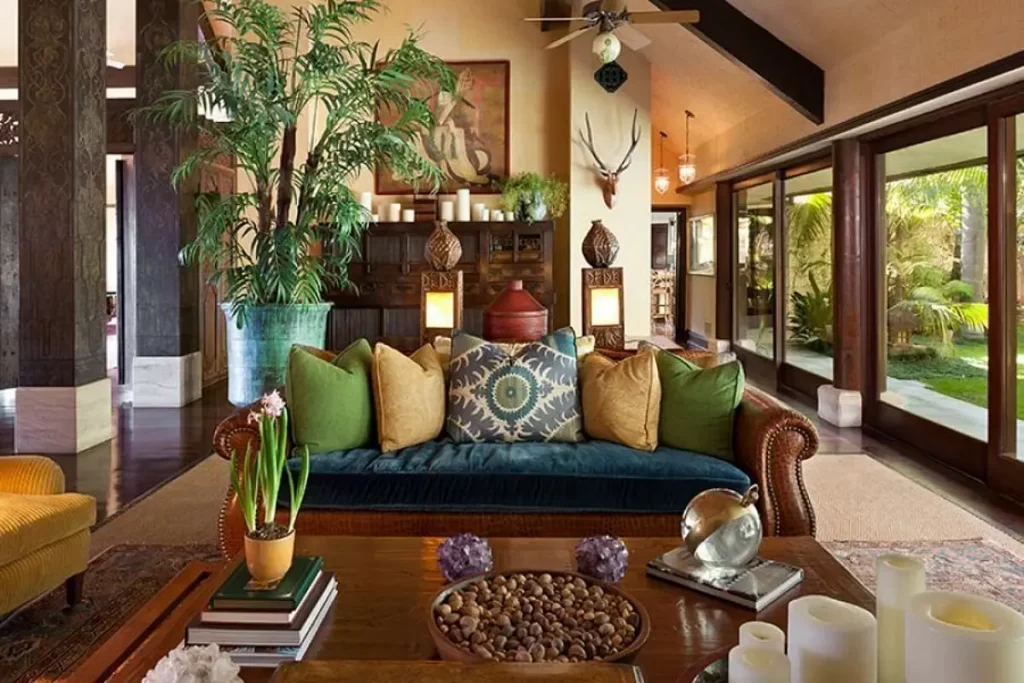
Most homeowners don’t realize that rubberwood furniture has quietly become a game-changer in modern interior design, offering a unique blend of sustainability and minimalist style. You are probably familiar with expensive traditional hardwoods like oak, walnut, or teak. However, rubberwood delivers comparable durability for everyday use at a fraction of the cost, while actively helping to reduce global furniture waste.
This eco-friendly material comes from rubber trees that have stopped producing latex, making it an intelligent choice for contemporary spaces. If you are aiming for a clean, minimalist, or Scandinavian aesthetic without compromising your environmental values, understanding the role of rubberwood is essential. In this comprehensive guide, we will explore what rubberwood is, how to style it in high-end spaces, and how it truly stacks up against premium tropical hardwoods.
What Exactly is Rubberwood? Uncovering the Eco-Friendly Lumber
To understand why contemporary rubberwood furniture is trending, we must first look at its origins. It is not what many people assume. So … What is Rubberwood?
The Second Life of the Hevea Brasiliensis Tree
You might assume rubberwood comes from trees that are actively producing latex, but that is a misconception. This hardwood actually comes from the Hevea brasiliensis trees that have reached the end of their latex-producing lifecycle—typically around 25 to 30 years old.
Think of it as furniture with a genuine second life. Before the furniture manufacturing industry recognized its potential, these mature trees were routinely cut down and burned or left to rot to make way for new saplings. By transforming them into lumber, the industry has created a literal zero-waste agricultural cycle.
Density, Grain, and Visual Profile
The wood itself is light-colored with a straight, relatively even grain that takes stains beautifully. Furniture makers can transform it into almost any finish, from natural blonde tones to rich espresso browns. With a density of around 600-700 kg/m³, rubberwood sits comfortably in the medium-hardness category. It is surprisingly durable while still being easy to mill and carve, which is why global manufacturers favor it for mass-produced contemporary designs.
Why the Interior Design World is Embracing Rubberwood
Sustainability has become more than just a buzzword in the furniture industry; it is a primary purchasing driver for modern homeowners.
A Genuinely Sustainable Choice Eco-friendly wood furniture
Represents a shift in consumer consciousness. Rubberwood represents a brilliant ecological choice because it repurposes trees that have already served a primary economic function. No old-growth forests or pristine jungles are being cleared specifically for this furniture production. The carbon footprint is significantly lower because these trees spend decades absorbing CO2 on managed plantations before they ever see a sawmill.
Bridging the Gap Between Budget and Design
Interior designers have caught on to something interesting about this material. The cost-effectiveness of rubberwood opens up contemporary design possibilities that weren’t accessible to the average buyer before. You can now afford a sleek mid-century modern dining table or a minimalist platform bed without the premium hardwood price tag. The furniture market has shifted dramatically, and younger homeowners prioritizing both style and environmental responsibility have created the perfect storm for this material’s massive popularity.
The Aesthetics: Styling Rubberwood in Contemporary Interiors
You have probably noticed how minimalist, Scandinavian-inspired, and Japandi spaces are dominating architectural digests and Pinterest boards. Rubberwood fits seamlessly into these aesthetics.
Mastering the Light-Grain Look
Designers are moving away from heavily distressed, busy wood grains. Rubberwood’s fine, even texture gives you that sought-after minimalist vibe without looking sterile. The color ranges from pale cream to light brown. The natural finish alone works perfectly with white walls, polished concrete floors, or any neutral palette. It provides a warm, organic touch that does not compete with your other decor choices.
Styling Tips for a High-End Finish
Your rubberwood interior design pieces can look like they belong in a luxury showroom if styled correctly. The secret is not hiding the wood, but elevating it with sophisticated layering:
- Contrast with Metals: Pair light rubberwood tables with matte black steel legs or brushed brass hardware for an industrial-chic edge.
- Layer Textures: Rubberwood has a smooth, creamy finish. Bring in contrasting textures—a chunky wool throw on a rubberwood chair, or a nubby jute rug beneath a coffee table.
- Curated Palettes: Rubberwood’s warm honey tones play well with sage green and terracotta for an earthy vibe, or deep navy and emerald for a sophisticated, jewel-toned tension.
The Honest Truth: Rubberwood vs. Premium Hardwoods
Let’s talk money, durability, and reality. If you are furnishing a high-end property—such as a luxury villa in Bali or a premium overseas residence—how does rubberwood compare to the “kings” of timber like Solid Teak or Suar wood?
Price Point and Accessibility
Rubberwood costs about 40-60% less than premium oak, walnut, or teak. A standard rubberwood dining table might run between $300-$800, while comparable solid hardwood options easily hit $1,500-$3,000. You are getting solid wood furniture without the heart attack when you look at the price tag, largely because the material is an agricultural byproduct.
Janka Hardness and Everyday Durability
Rubberwood’s Janka hardness rating sits at around 980. This makes it tougher than pine or cedar, but softer than maple or premium Teak (which boasts natural oils). For everyday indoor use—like a bookshelf or a bedside table—it performs beautifully. It resists warping and splitting better than many softwoods.
The Climate Challenge: When to Upgrade
While rubberwood is excellent for standard, climate-controlled contemporary homes, it has limitations in extreme environments. If you are looking for outdoor furniture, or furnishing a property in a highly humid, tropical environment (like a coastal villa), rubberwood is susceptible to moisture and pests if not chemically treated heavily.
For these premium, high-stress environments, transitioning from mass-produced rubberwood to custom Teak or Sungkai wood furniture—like the pieces manufactured by Bali Best Buy Furniture—is the necessary upgrade to ensure generational longevity.
Keeping Your Rubberwood Furniture Looking Fresh
Simple maintenance is all rubberwood needs to stay gorgeous for a decade or more.
Daily Cleaning Routine
A quick wipe with a slightly damp microfiber cloth removes most dirt and dust. You do not need harsh chemical cleaners; in fact, they can strip the protective lacquer. The factory finishes on quality rubberwood furniture resist daily staining remarkably well.
Protection from the Elements
The secret to longevity lies in environmental protection.
- Avoid Direct Sunlight: Prolonged UV exposure will bleach and fade the light grain of the wood. Position your pieces away from direct window glare or use UV-filtering blinds.
- Manage Heat and Moisture: Never place hot pans directly on a rubberwood dining table. Always use coasters and trivets. Clean up water spills immediately, as standing water can cause the wood fibers to swell.
Conclusion: Can It Redefine Contemporary Interiors?
The answer is a resounding yes. Rubberwood furniture is not just a passing trend; it is a structural shift in how the global furniture market balances mass production, affordability, and ecological responsibility.
Its subtle grain patterns, highly sustainable sourcing, and solid durability make it a legitimate, intelligent choice for contemporary interior design. Whether you are furnishing a chic city apartment or aiming for a clean Scandinavian aesthetic, rubberwood proves that eco-friendly choices do not require sacrificing style.
However, for those looking to invest in heirloom-quality pieces, bespoke architectural joinery, or furniture built to withstand tropical climates, upgrading to premium custom hardwoods remains the ultimate hallmark of luxury.
Planning an interior project? Whether you are exploring sustainable wood options or looking for premium custom manufacturing, expert guidance is key. Explore our material guides or contact our manufacturing team to find the perfect timber for your specific design needs.