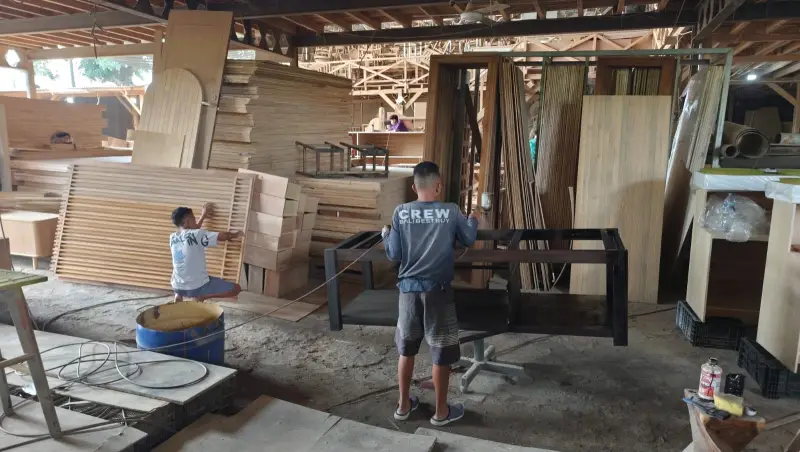
Over 70% of custom furniture headaches in Bali come from questions you didn’t ask upfront, so this guide is your practical cheat sheet for avoiding expensive mistakes. You’re about to walk through the exact critical questions custom furniture Bali buyers need in their back pocket – a checklist custom order Bali makers quietly wish every client used. You’ll see how to order furniture in Bali with confidence, talk furniture joinery standards, Bali furniture warranty details, and export wood specs without feeling lost… so your pieces arrive looking like they actually should.
Let’s Get Started: What’s This All About?
From “Nice Idea” To A Rock-Solid Game Plan
Think of this section like the difference between scrolling Pinterest and actually wiring a deposit – one is daydreaming, the other is committing real money to timber, labor, and shipping. You’re here to turn that Bali-made dining table or custom rattan bedhead into a smart investment, not a lucky guess, so the goal now is to arm you with a tight checklist custom order Bali buyers actually use on the ground. When you start asking specific things like “What furniture joinery standards do you follow?” and “Can you show me a sample of your export wood specs for kiln-dried teak?” you instantly separate serious makers from backyard workshops that might not survive the rainy season, let alone a 10-year lifespan in your home.
Instead of vague chats about “good quality” and “strong wood”, you’ll be drilling into numbers, photos, and proof – moisture content percentages (12 to 15% for export-grade teak), frame thickness in millimeters, screw types, finishing coats, and even Bali furniture warranty terms in writing. You’ll use these 5 critical questions custom furniture Bali makers secretly hate (because they expose shortcuts) to compare quotes side by side, filter out anyone who can’t give a straight answer, and then plug the winners into your broader process for how to order furniture in Bali, which should include supplier research, factory visits, and your larger quality checklist. By the time you wire that deposit, you’ll know exactly what you’re getting, how it’s built, how long it should last, and what happens if something goes wrong after it lands in your living room.
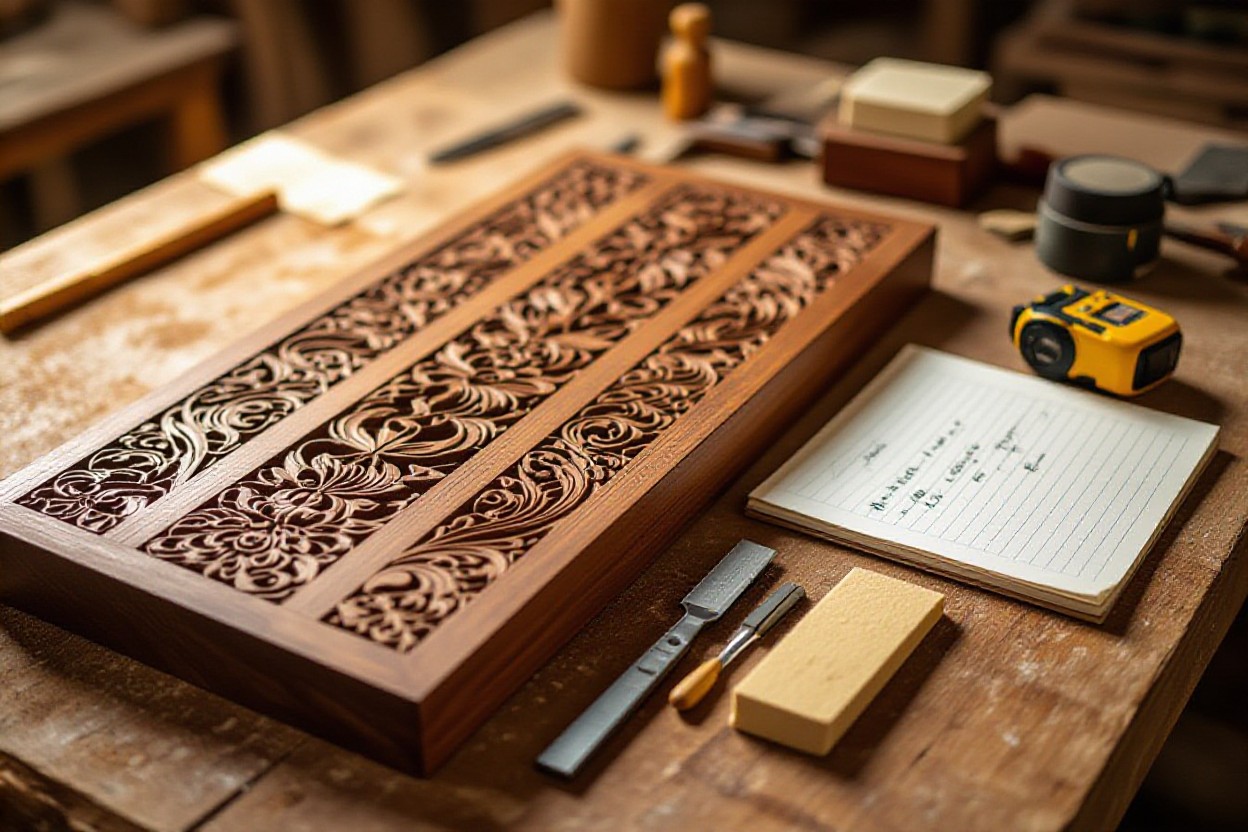
Why You Should Ask Questions Before Ordering
What usually shocks people is that most Bali workshop mistakes don’t come from bad craftsmen, they come from silent clients. When you don’t ask specific, slightly nerdy questions upfront, the maker fills in the blanks using their own habits: local mattress sizes, local humidity assumptions, local finish preferences. That’s how you end up with a gorgeous teak bed that fits Indonesian queen dimensions, not your 160 x 200 cm mattress back home, or a dining table finished in a soft oil when you actually needed a rock-hard poly because you’ve got three kids and a very excitable dog.
Because custom work is literally built from your words, not asking things about furniture joinery standards, Bali furniture warranty coverage, or export wood specs is like handing over a half-finished blueprint and hoping it turns into your dream house. If you’re serious about how to order furniture in Bali that actually matches your lifestyle, your climate, and your shipping realities, you need a simple checklist custom order Bali makers can follow: measurements in centimeters, moisture content targets (usually 10-12% for export), hardware brands, finish type, even how you’ll clean the piece. Those questions aren’t annoying – they’re the only thing standing between you and a very expensive surprise.
Seriously, What’s the Worst That Could Happen?
What tends to catch people off guard is that the worst outcome usually isn’t ugly furniture, it’s beautiful but useless furniture. You might get a 3-meter solid suar slab table that looks like it belongs in a design magazine, then find out it can’t fit up your apartment stairwell, weighs 180 kg, and your building doesn’t allow cranes. Or you ship a stunning TV console home, plug everything in, and discover the cable box and soundbar don’t fit because the maker used a 40 cm depth he uses for local clients, not your actual devices.
On the more painful side, skipping detailed questions about wood drying and joinery can lead to cracks up to 5 mm wide, warped cabinet doors that never close, or drawers that start sticking after the first winter. I’ve seen clients lose 30-40% of their total order value simply because the wood wasn’t dried to export standards and nobody asked for the moisture readings in writing. And since many Bali furniture warranty terms only cover structural failure for a short period and usually don’t cover climate-related movement once the piece leaves Indonesia, you can easily be stuck with repairs that cost more than the original “savings” you thought you were getting.
My Take on Clarity: Getting on the Same Page
What surprises most buyers is how tiny clarifications early on can save weeks of headache later. When you treat your first meeting like you’re building a shared checklist custom order Bali makers can literally tick off – wood species, thickness, joinery type, finish system, metal hardware, shipping breakdown – everything suddenly gets calmer. You’re not just asking polite questions, you’re creating a written script that your furniture maker can actually follow when you’re not standing in the workshop watching them cut.
In practice that means you ask them to repeat your key specs in their own words and you catch misalignments right on the spot: you say “oak stain on teak,” they say “yes, brown color,” and you know immediately you need to pull out reference photos, RAL or Pantone codes, even physical samples. When you’re dealing with language gaps, different measuring habits (centimeters vs feet), and totally different living environments, clarity is not about being picky, it’s about not paying twice for the same piece.
From my perspective, the best way to get everyone on the same page is to treat your order like a mini project, not a quick shop: you show photos of what you like, then photos of what you absolutely don’t want, you write exact internal dimensions for anything storage related (like “clear opening 48 cm wide for dishwasher” or “shelf spacing 32 cm for art books”), you ask which furniture joinery standards they normally use (like mortise and tenon, dowels, biscuits) and decide together if that’s strong enough for your use, you clarify Bali furniture warranty terms in a single written message, and if you’re exporting you confirm export wood specs such as species allowed in your country, kiln drying level, and fumigation certificates, then you keep all of that in one shared chat or document so if anything goes off track later, you’ve got a clear, agreed reference instead of a vague “but I thought you meant…” conversation that helps nobody.
Types of Bali Furniture – What’s Out There?
Ever walked into a Bali workshop and felt totally lost staring at rows of cabinets, slab tables, and rattan loungers, not really sure what you’re actually looking at? You’re not alone, and this is exactly where your checklist custom order Bali questions become your safety net, because different types of pieces demand different joinery, finishes, and warranty terms. When you know what category your piece falls into, you can push your maker for concrete answers on furniture joinery standards, export wood specs, and how each item will behave in your home climate.
Instead of thinking “Bali furniture” as one big vague thing, it helps to sort it into a few clear buckets before you order. That way, when you ask your critical questions custom furniture Bali style, you’re not just asking, “Is this good quality?” but very specific things like, “What joinery are you using on this 3-meter dining table?” or “How is this outdoor daybed sealed for coastal humidity?” The more you match the type of furniture to the right questions, the fewer surprises you’ll have once it lands in your living room.
- Solid wood slab pieces (dining tables, benches, console tables)
- Framed construction furniture (beds, chairs, cabinets, wardrobes)
- Rattan and woven pieces (accent chairs, pendant lights, loungers)
- Upholstered items (sofas, armchairs, banquettes, ottomans)
- Outdoor-specific builds (pool loungers, garden sets, patio dining)
| Solid wood slab tables | Best for statement dining pieces using suar, teak, or mahogany; you should ask for moisture content reports (ideally 10%-14%) and detailed finishing steps. |
| Cabinets and wardrobes | Framed construction with panel inserts; you’ll want clarity on hardware brands, back panel material, and Bali furniture warranty coverage on hinges and sliders. |
| Rattan & synthetic weave | Great for light, airy designs; check if the rattan is natural or PE-rattan, how it’s sealed, and whether it’s rated for outdoor use or only indoor spaces. |
| Upholstered sofas & chairs | Need questions around foam density, fabric martindale rub count, and whether the frames comply with export wood specs for your destination country. |
| Outdoor & poolside pieces | The joinery, screws, and finishes must be corrosion-resistant; ask if stainless steel 304 hardware is used and how often you’ll need to re-oil or reseal. |
Traditional vs. Modern
Why does it matter if your Bali piece leans traditional or modern when you’re just trying to figure out how to order furniture in Bali without getting burned? The style you pick quietly dictates what questions you should ask about carving, joinery, and finishing time, and even what kind of defects are normal. Traditional Balinese designs often involve hand-carving, thick profiles, and heavier solid teak, so you’ll want to ask how many hours of carving are included, what happens if a carving chip appears during shipping, and how that’s covered under your Bali furniture warranty.
On the flip side, modern Bali furniture is all about clean lines, tight tolerances, and often mixed materials like metal legs with teak tops or rattan insets, which means your furniture joinery standards need to be crystal clear. You might be looking at mitred corners on a TV console, hidden brackets on a floating shelf, or ultra-thin edge profiles that only work if the wood is perfectly seasoned. The expectations for precision are higher, so your checklist custom order Bali conversation has to include straightness tolerances, allowable gaps, and even the exact sheen level of the topcoat so your modern piece doesn’t show every tiny sanding swirl.
Indoor vs. Outdoor
Have you noticed how a “teak outdoor set” in Bali can mean anything from properly kiln-dried, marine-finished furniture to something that sat in the sun for a week and got called “outdoor” anyway? Indoor and outdoor pieces might look similar on Instagram, but they live completely different lives once they hit your balcony, pool deck, or air-conditioned apartment. So your questions around export wood specs, hardware, and finishes should be totally different depending on whether the piece is facing monsoon rain or a quiet corner of your bedroom.
Indoor furniture can usually get away with slightly thicker finishes, more delicate joinery, and details like soft-close hardware that doesn’t love salty air, so you’ll want to ask about protective pads, wall anchors for tall units, and how the finish holds up to aircon dryness or underfloor heating. Outdoor furniture, on the other hand, is all about survival: you should push your maker on the exact wood species, oil vs. polyurethane finishes, stainless vs. coated steel, and whether cushions use quick-dry foam with mesh bottoms. The right indoor vs. outdoor questions will stop you from putting an “indoor” rattan chair on your terrace only to watch it mildew and sag within one rainy season.
The gap between a good indoor piece and a true outdoor build is massive once you factor in UV exposure, temperature swings, and humidity cycles, so if you’re planning a mixed project (say, an indoor dining set plus a pool lounge package) you’ll want to separate your questions, your specs, and even your delivery inspection checklist for each category.
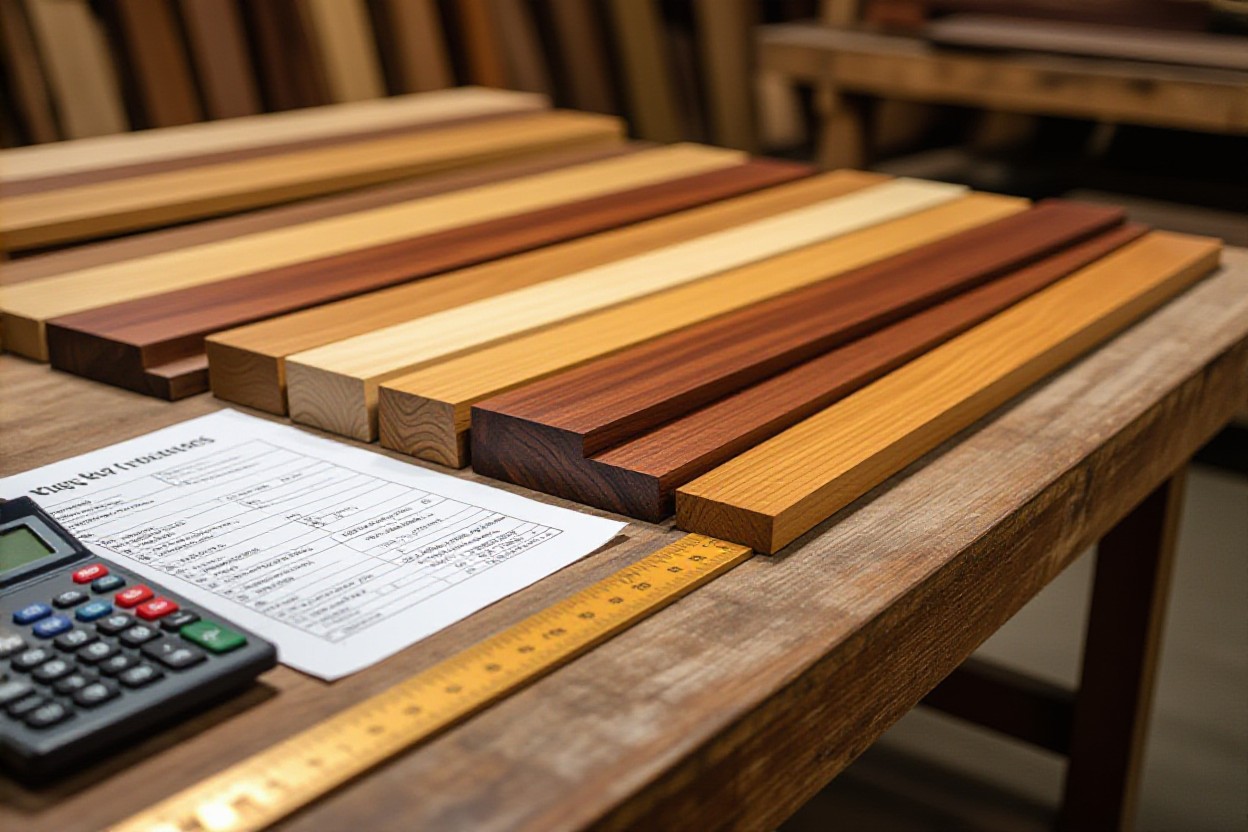
What Types of Wood Should You Consider?
Not all Bali wood is created equal, and if you just say “solid wood” in your inquiry, you’re basically giving your furniture maker a blank cheque. You want to talk specifics: teak, suar, mahogany, mindi, or reclaimed teak, because each one behaves differently in heat, air-con, and shipping containers. When you ask your Bali maker what species they recommend for your exact use case – outdoor dining, bathroom vanity, high-traffic sofa frame – you instantly shift the conversation from tourist level to pro level.
Instead of guessing, use your checklist custom order Bali notes to match wood type to function: high oil-content species like teak for exposed balconies, stable timbers like kiln-dried mahogany for indoor cabinetry, and suar if you want that dramatic slab-table look without paying yacht-deck prices. Knowing exactly which wood you’re approving keeps your export wood specs tight, your furniture joinery standards realistic, and your Bali furniture warranty claims much easier to argue later.
- Ask which species they stock regularly and which are special order only
- Confirm moisture content (MC) range in writing for export pieces
- Match wood type to room conditions: outdoor, semi-outdoor, fully air-conditioned
- Use photos or samples to agree on grain and color tone upfront
- Pin down whether “teak” means plantation, reclaimed, or mixed-source material
| Teak (Tectona grandis) | High natural oil content, perfect for outdoor and coastal projects where you expect rain, salt air, and sun. |
| Suar / Rain Tree | Common for thick slab tables in Bali; great visual impact but needs very careful kiln drying to avoid heavy movement. |
| Mahogany | Stable, relatively fine-grained, works well for indoor cabinetry, bed frames, and painted finishes. |
| Mindi / White Cedar | Lighter color, often used for Scandinavian-style pieces when you want a softer, less “tropical villa” vibe. |
| Reclaimed Teak | Taken from old houses and boats, with character nail holes and patchwork grain, amazing for statement pieces if properly treated. |
The Real Deal About Different Wood Types
One Bali workshop might swear by suar for everything, while another will push teak like it’s the only smart option on earth. You want to cut through the sales pitch and get into how each wood really behaves over 3, 5, 10 years in your climate, not just how it looks on Instagram day one. So when you talk wood types, you’re actually talking long-term movement, cracking risk, warping under air-con, and how forgiving the timber is when your kids inevitably spill something on it.
Ask your maker which woods they personally use in their own homes, and how those pieces have aged, because that answer is often more honest than any brochure. Thou should also push for concrete examples: “Which wood did you use for that 3 meter dining table you shipped to Singapore and how is it holding up” is way more useful than vague claims about quality.
- Pin down which woods they recommend for export vs local-only projects
- Ask which species need the most maintenance oiling or sealing
- Check if they mix species in one piece (frame in one wood, panels in another)
- Clarify if cheaper alternatives are plantation grown or from mixed sources
- Get photos of older client pieces to see how each wood type actually ages
| Teak vs Suar | Teak wins for stability and outdoor use; suar wins for dramatic slab size and price, but with more movement risk. |
| Mahogany vs Mindi | Mahogany is denser and richer in tone; mindi is lighter and more in line with Nordic and Japandi interiors. |
| Reclaimed Teak vs New Teak | Reclaimed has more character and micro-cracks; new plantation teak looks cleaner and is easier to color-match. |
| Local Softwoods vs Hardwoods | Softwoods dent easier and are usually not ideal for high-impact dining tables; hardwoods carry more weight and longevity. |
| Solid Wood vs Veneered Panels | Solid is romantic but can move more; veneered panels on good plywood stay flatter for large wardrobe or kitchen fronts. |
Pros and Cons of Popular Woods
Every pretty slab in a Bali workshop has a trade-off hiding behind it, and you want those pros and cons spelled out before you sign anything on your how to order furniture in Bali checklist. You’re not just choosing a color swatch, you’re choosing how much maintenance you’re willing to do, how much movement you’ll tolerate, and how tough you need the surfaces to be against daily life. For serious custom orders, I always suggest you write these trade-offs right into your Critical questions custom furniture Bali email so there’s no “we thought you knew” later.
| Teak – Pros | Teak – Cons |
| Excellent for outdoor use due to high oil content and natural resistance to rot and termites. | More expensive than most local species, and quality varies a lot between plantation grades. |
| Requires relatively low maintenance compared to other outdoor woods. | Can darken or silver out, which you might not like if you expect a fixed color. |
| Suar – Pros | Suar – Cons |
| Allows those huge 2.5-3 meter table slabs at a price that doesn’t blow your entire renovation budget. | Prone to movement and hairline cracks if not perfectly kiln dried, especially in dry, air-conditioned apartments. |
| Mahogany – Pros | Mahogany – Cons |
| Good dimensional stability for cabinetry, TV consoles, and bed frames shipped overseas. | Color can read a bit “red” or traditional if your interior is very modern and minimal. |
| Mindi – Pros | Mindi – Cons |
| Lighter tone that works brilliantly for coastal, boho, and Scandinavian-influenced interiors. | Not as tough as teak for wet areas or fully outdoor spaces. |
| Reclaimed Teak – Pros | Reclaimed Teak – Cons |
| Delivers a unique, aged look that instantly feels like a story piece in your home. | Can hide old nail holes, filler, and patchwork that not everyone loves in a “clean” design. |
| Mixed Construction – Pros | Mixed Construction – Cons |
| Combining solid wood frames with plywood or veneer panels keeps large doors and tops flatter. | If your maker is sloppy, color mismatch between species shows up badly under strong light. |
When you’re nailing down your Bali furniture warranty terms, you actually want your maker to list which of these pros and cons they consider “normal” behavior for each wood, especially for export wood specs that will sit months in a container then in dry climate. That transparency lets you decide where to splurge on teak, where to use mindi or mahogany, and where you can safely lean on suar without losing sleep over hairline cracks on your dining table later.
| Hardness & Durability | Teak and reclaimed teak sit at the tougher end of the scale, while mindi and softer local species mark more easily under heavy daily use. |
| Moisture Movement | Suar and wide solid panels move more with humidity swings, so big pieces in those woods need better engineering and joinery. |
| Finish Compatibility | Mahogany takes stains and lacquers very evenly, while oily teak needs proper prep so finishes don’t peel or bubble. |
| Visual Character | Reclaimed teak brings nail holes and variation, suar has wild grain, mindi stays calmer and cleaner for minimalist looks. |
| Cost vs Lifespan | Cheaper options look tempting on a quote, but long-term, paying more for the right species in the right place usually wins by a mile. |
Tips for Choosing the Right Maker – Seriously, Don’t Skip This!
In the last 3 years, Bali Instagram shops have exploded, and with that you’ve got lots of “makers” who are basically resellers with a WhatsApp number and a nice feed. You want the workshop, not just the middleman. Ask if you can visit the actual produksi (production) area, see staff on-site, and check if they handle export wood specs in-house or outsource everything. A real maker will happily show you clamps, jigs, moisture meters, joinery tools – even half-finished pieces – because they’re proud of the build, not just the finish.
When you’re comparing options, treat it like a proper checklist custom order Bali exercise, not a casual browse. Confirm they provide written drawings with dimensions in centimeters, material lists, payment milestones, and a Bali furniture warranty policy that actually mentions what happens if panels warp within 6 months. Perceiving how they respond to your detailed questions is often the fastest way to separate serious furniture joinery standards from quick-flip workshop vibes.
- Ask to see at least 3 recent custom projects similar to yours, not just catalog photos.
- Confirm they kiln-dry timber to 10-12% moisture for export, not air-dry “good enough for Bali weather”.
- Get the name and location of their main workshop, not just the showroom or café pickup spot.
- Check if their quote clearly lists wood species, finish system, hardware brands, and joinery type.
- Verify they’re familiar with your destination country’s import rules and can meet export wood specs.
What to Look For in Quality
Real quality in Bali furniture doesn’t start with carving or pretty cane panels, it starts with joinery and moisture control. You want to hear words like mortise and tenon, dovetail, biscuit or dowel joinery, not just “we use strong glue, no problem”. Ask them straight up what moisture content they dry their teak or mahogany to, and if they can show you a moisture meter reading on an offcut in the workshop. For export, anything consistently over 14% is a red flag if you live in a dry or air-conditioned climate.
Surface finishing is where a lot of cheaper shops quietly cut corners. Push for specifics: are they using polyurethane, water-based lacquer, or natural oil-wax, and how many coats? Run your hand along sample pieces and check edges, underneath shelves, and the backs of doors – if those hidden areas have rough sanding, drips, or bare patches, that tells you everything about their standards. Perceiving these small flaws before you sign off will save you from swollen drawers, peeling finishes, and split panels 6 months after your custom furniture Bali project lands in your living room.
Recommendations from Locals
Bali expat Facebook groups and WhatsApp communities are like a living database of who actually delivers and who ghosts after the final payment. Ask locals which makers handled big villa fit-outs or café interiors, because if a workshop can supply 40 chairs on time for a Canggu restaurant, your 6-piece dining set is easy for them. Pay attention to specific names that come up repeatedly, along with photos, prices, and timeframes, not just “this guy is good” type comments that don’t give you anything measurable.
Some of the best intel comes from people who’ve shipped containers home and had pieces survive Canadian winters or dry Australian summers without cracking. When you see a Bali maker recommended along with comments like “2 years in Perth, no warping, joints still tight”, that’s gold, especially for your how to order furniture in Bali research. Perceiving those long-term reports is way more useful than a single glowing review posted the week the furniture arrived.
One extra move you can make here is cross-checking local recommendations against more formal info, like a maker mentioned in a design studio’s portfolio or in a bigger guide such as your comprehe [link to pillar article]. If the same carpenter pops up in villa projects, café interiors, and personal referrals from expats who’ve done multiple shipments, that pattern tells you they’re used to higher furniture joinery standards, clearer communication in English, and structured timelines with penalties for delays. Perceiving that overlap between street-level referrals and professional endorsements is where your shortlist goes from “maybe” to “these are my top 2 or 3 makers to send drawings to”.
Tips for Communicating Your Vision
How to Share Your Ideas Without Overwhelm
You get the best custom pieces when your maker can literally “see” what you see in your head, so the trick is to give enough detail without drowning them in a 50-page mood board. Start with 3 to 5 reference photos that nail the vibe: maybe a Pinterest shot of a Bali teak dining table, a screenshot of a Japanese joinery detail, and a hotel lobby console you loved. Then add simple notes: exact overall size (in cm), wood tone (light, medium, dark), finish (matte, satin, gloss), and how you plan to use it daily – for example, “family of 5, used 3x a day, kids, hot dishes on the table”. That mix of visuals and real-life context helps the maker choose the right export wood specs and furniture joinery standards instead of guessing.
Instead of dumping every idea in one long message, break it into a clear checklist: function first, then style, then technical stuff like storage, cable holes, and chair clearance. Use short bullets in your chat or email so your Bali furniture maker can reply line by line, which is way more efficient if English isn’t their first language. Perceiving how they respond to your notes – do they ask for clarifications, sketch alternatives, push back on weak ideas – tells you a lot about whether they’re the right partner for your custom order Bali project.
- Share 3-5 reference images instead of 20+ random screenshots
- Write exact dimensions in centimeters, not “about this big”
- Describe daily use so they can plan structure and joinery
- Organize your brief into function, style, technical details
- Ask them to confirm with a simple drawing or layout before production
Must-Have Questions for Your Maker
Before you transfer a single rupiah, you want a tight little checklist of Critical questions custom furniture Bali buyers always ask, because these are the ones that protect your budget and your sanity. Start with materials: “Exactly what wood species will you use, and is it kiln dried to export wood specs?” and “Can you confirm moisture content in writing, ideally 10-12% for export?” Then move to structure: “What furniture joinery standards do you follow for tables / chairs / cabinet doors?” and “Where do you reinforce against warping and cracking in a humid-t0-dry climate shift?”
On the business side, you should be asking: “What is the Bali furniture warranty in months or years, and what does it actually cover?” plus “Can you send photos and measurements at each key stage: frame, assembly, finishing, and packing?” That kind of detail turns your list into a real checklist custom order Bali tool, not just a casual chat. Perceiving how confidently and specifically they answer those questions will show you if you’re dealing with a workshop that understands how to order furniture in Bali for export-level buyers or just a shop selling tourist-grade decor.
Dig a bit deeper with follow ups like: “If there is movement or minor cracking in the first 6 months, how do you handle it for international clients?”, “Which finishes do you use by brand name, and are they suitable for high-UV or air-conditioned interiors?”, “How do you pack for sea freight – individual carton boxes, corner protectors, foam, palletization?”, and “Can you match measurements to a drawing I provide to within 5 mm tolerance?” You can even link these questions back to your [link to pillar article] using their comprehe anchor content, so your maker sees you’re not guessing but working from a structured process that serious importers and designers rely on.

The Step-by-Step Process of Ordering – Here’s How It Works
| Initial Consultation | Initial Consultation You know that moment when you walk into a Bali workshop with a screenshot from Pinterest and the maker just squints at it for a second, then starts sketching something better? That first conversation is where your whole project is made or broken, so you want it to be more than “I like this table”. In a proper initial consultation, you run through your checklist custom order Bali style: what room it’s for, exact wall lengths, who uses it daily, your climate back home, and whether you need export wood specs that comply with, say, Australian quarantine or EU moisture standards. During this stage, you should be asking the critical questions custom furniture Bali makers sometimes forget to mention unless you push: what furniture joinery standards they follow (knock-down vs fixed frame, mortise and tenon vs screws), what Bali furniture warranty actually covers, and how they handle movement in solid wood between Bali humidity and your drier home. Get specific numbers: target moisture content (ideally 10-12% for export), lead time in weeks, and how many revisions to the design you get before they charge extra. The clearer this chat is, the smoother everything after becomes. |
| Design Approval | Design Approval One Australian client I worked with thought she was getting a 220 cm dining table and only at the design approval stage did she notice the drawing said 200 cm – that 20 cm would have killed her seating plan. This is why the design approval phase is not a formality, it’s where you slow down and go line by line through dimensions, joinery, finishes, and hardware. You should be looking at top views, side elevations, and detail drawings, not just a pretty 3D render that hides how things are actually built. At this point, you lock in all the nerdy stuff that separates good Bali furniture from something that warps in six months: timber species (teak, suar, mindi), plank thickness, maximum plank width before they add a breadboard edge, and what type of finish is used (water-based, oil, or PU) along with curing times. This is also when you ask them to put any furniture joinery standards in writing and get clarity on what happens if the final piece deviates from the drawing by more than, say, 5 mm. Once you sign off, that drawing is your contract in all but name. Because this step is so important, you want every detail in black and white: exact external measurements, internal clearances for things like drawers or appliances, cable outlets if it’s a media unit, leg positioning so chairs actually tuck in, and tolerance for wood movement. Ask your Bali maker to mark export wood specs right on the drawing – species, thickness, moisture content targets – and attach your agreed Bali furniture warranty terms to the same document. If anything ever goes sideways, this packet is what protects you. |
| Delivery and Setup | Delivery and Setup Once your pieces roll out of the workshop, everything suddenly gets very real very fast. In Bali, it’s normal to see a stunning 3 meter slab table arrive on a small truck with three guys and a couple of old blankets, so you want to know in advance how they actually handle delivery and setup. This is where those earlier questions about disassembly, knock-down fittings, and access (stairwells, narrow doors, elevators) stop being theory and start being very practical. During delivery, confirm who is responsible for re-assembly, leveling, and final touch ups of finish or edges that might get a tiny knock in transit. If you’re exporting, ask for clear photos of the packing: corner protectors, foam, palletization, and how they brace heavy tops so they don’t flex during shipping. And for a solid checklist custom order Bali export, you want it in writing that any visible structural damage or major warping on arrival is covered under your Bali furniture warranty, not waved away as “normal wood movement”. So when you’re finalizing the order, pin down the boring but vital stuff: which party books the shipper, who insures the cargo, what “door-to-door” actually includes, and how long you have to report defects once the crate is opened. Ask for setup instructions for larger custom pieces – tightening schedule for bolts, cleaning products that won’t void the finish, and how often to re-oil if you’ve chosen an oil finish. If you’re shipping internationally, make sure the packaging and fumigation details align with export wood specs in your country so your furniture doesn’t get held or, worse, destroyed at customs. |

Step-By-Step Order Process: What to Expect
| Key Stage | What Actually Happens |
| 1. Brief & Measurements | You jump on WhatsApp, email, or a showroom visit with a rough idea, then refine it into exact sizes, photos of your space, and any inspo images. This is where you lock in functional needs (storage, outdoor use, weight limits) and start aligning your checklist custom order Bali with the maker’s capabilities. |
| 2. Design & Quotation | The workshop sends sketches or simple CAD drawings, confirms timber species, furniture joinery standards, and finishing options, then prices everything per piece. At this point, you should already be asking the critical questions custom furniture Bali buyers often skip: tolerance for size variation, lead time in weeks, and what happens if specs aren’t met. |
| 3. Deposit & Timeline | Once you approve the quote, you usually pay a 50% deposit via bank transfer or card, then get a written production timeline (often 4-8 weeks for custom work). A solid workshop will give you clear milestone dates for framing, finishing, and packing instead of a vague “soon” that drags into months. |
| 4. Production Updates | During build, a good Bali maker sends progress photos at agreed checkpoints, like after frame assembly and after first coat of finish. You use those images to double check joinery, color, and scale so you’re not discovering a big mistake when the truck or container door finally opens. |
| 5. Quality Check & Adjustments | Before final payment, you get detailed photos or an in-person review to confirm measurements within a few millimeters, smooth drawers, level legs, correct fabric, and export wood specs if you’re shipping overseas. Any tweaks, like shortening legs by 2 cm or softening edges for kids, should be handled here, not after it’s wrapped like a mummy in cardboard and plastic. |
| 6. Balance & Delivery / Export | You pay the remaining 50% once you approve the final photos or showroom inspection, then schedule local delivery or container loading. For export, your maker coordinates fumigation, kiln-dry certificates, and packing lists that customs actually accept, not something that gets your shipment flagged on arrival. |
A Breakdown of the Journey
A lot of people think ordering custom furniture in Bali is just “pick a photo, send a deposit, wait for magic”, but that mindset is how projects turn into headaches. In reality, the journey works best when you treat it like a mini project: clear brief, clear drawings, and a written confirmation of every choice from wood to hardware to Bali furniture warranty terms.
Once you hit that first design draft, you really want to zoom in on the practical stuff: will this dining table actually fit through your villa doorway, can the sofa frame handle humidity, are the joints pinned, screwed, or just glued. When you’re exporting, that journey also includes cross-checking export wood specs against your destination country rules, talking to your freight forwarder, and aligning everything with your how to order furniture in Bali game plan so there are no “surprise” fees sitting at the port.
Common Pitfalls and How to Avoid Them
Most buyers assume the workshop “just knows” what you mean from a Pinterest photo, but that’s how you end up with a 90 cm deep sofa that eats half your living room. You avoid that by putting exact measurements, preferred sitting height, and even cushion firmness in writing, then asking straight out what tolerance for variation the maker works with (for example, plus or minus 5 mm on length).
Another big pitfall is skipping questions about hardware and construction details because you feel awkward pushing for too much info. You shouldn’t. Ask what furniture joinery standards they follow, what screws or brackets they use on heavier pieces, and what coverage the Bali furniture warranty actually gives you in months or years. If you’re shipping overseas, insist on documented kiln-drying, fumigation certificates, and nail down who carries responsibility if customs rejects your export wood specs, not leaving it as a vague “we’ll help”.
On top of that, stay picky about paperwork, because that’s what saves you when something goes off track: a proper invoice listing dimensions, materials, finishes, and lead time; written confirmation of any changes; and photos stored in one place so you can compare the finished piece line by line. If you want to go deeper into tightening up your process across multiple pieces, link this step-by-step with your own internal checklist custom order Bali and, if you’re planning a bigger fit-out, pair it with a more detailed planning guide like the comprehe [link to pillar article] so there are no gaps between what you ordered and what actually lands in your space.
Factors That Can Make or Break Your Order – Don’t Overlook These!
Small details in Bali can quietly derail a beautiful custom piece if you don’t pin them down upfront. You already know how to show your vision, but now you need to lock in the stuff that actually affects how that sofa, table, or cabinet survives in real life – humidity, transport, daily knocks, even termites if you’re shipping abroad. So when you’re going through your checklist custom order Bali style, you want to actively ask how your maker handles climate movement, joinery, and protective finishes, not just the pretty design bits.
Some makers will give you a gorgeous sketch then quietly swap materials or hardware to keep their costs low, which is exactly how you end up with sagging drawers after six months or a tabletop that warps when it hits your home country. You avoid that by treating these as non-negotiable topics during your Critical questions custom furniture Bali conversation and getting specific on what standards they actually follow in the workshop, not just what they promise on WhatsApp.
- Ask for the exact timber species and whether it’s kiln dried to export wood specs (typically 8-12% moisture)
- Confirm furniture joinery standards they use for each piece, not just “strong construction”
- Pin down lead time in writing with realistic buffer for carving, finishing, and shipping prep
- Clarify Bali furniture warranty terms in simple language you could explain to a friend
- The final invoice, drawings, and messages should all match so there are no “lost in translation” surprises when the crate arrives.
Material Choices
Your material choices in Bali can be the difference between heirloom quality and something that self-destructs in a year. Teak, suar, and mahogany each behave differently in humidity, and if the wood isn’t properly kiln dried before construction you get cracks, gaps, and twisted doors as soon as it leaves the island. So when you ask how to order furniture in Bali, you should actually be asking for numbers, like “What moisture content are you drying this teak to?” and “Is this reclaimed teak or plantation teak?” instead of just “Is the wood good quality?”
Good makers can tell you straight up if a softwood or mixed panel is hiding behind a teak veneer, how thick that veneer is (0.3 mm vs 1 mm is a huge deal), and whether hardware like rails and hinges is local generic stock or export-grade. You want them explaining why they’re using mortise and tenon on a dining table but pocket screws on a wall unit, how they seal end grain, and what finish actually suits your climate, because glossy polish that looks amazing in Bali might turn sticky in a cold, damp apartment abroad.
Lead Time
Lead time in Bali is rarely just a straight “6 weeks”, it’s a stack of moving parts that you need to unpack. Carving, joinery, drying, sanding, finishing, curing, packing, export paperwork, then container scheduling – if you don’t map that timeline with your maker, “no problem” can quietly turn into a 3 month delay. So when you’re doing your Critical questions custom furniture Bali checklist, you want a breakdown like “2 weeks production, 1 week finishing, 1 week packing” rather than a random single date they throw out to close the deal.
Because local holidays, monsoon season, and sudden big hotel orders can all bump your project down the line, you should ask what their average completion time was over the last 3 similar projects, not just what they hope to do this time. The smart move is to tie stage payments to milestones like “frames completed” or “finishing done” so you’ve got leverage if things drift, and to build in at least a 20-30% buffer if your delivery is linked to a move-in date or project handover.
On top of that, if you’re exporting, you need to layer in consolidation and shipping schedules, because furniture might sit in a warehouse for 7-10 days waiting to fill a container and customs can snag it for another week, so when you ask how to order furniture in Bali properly you should be thinking total lead time from first deposit to the day it hits your door, not just the workshop’s optimistic completion date.
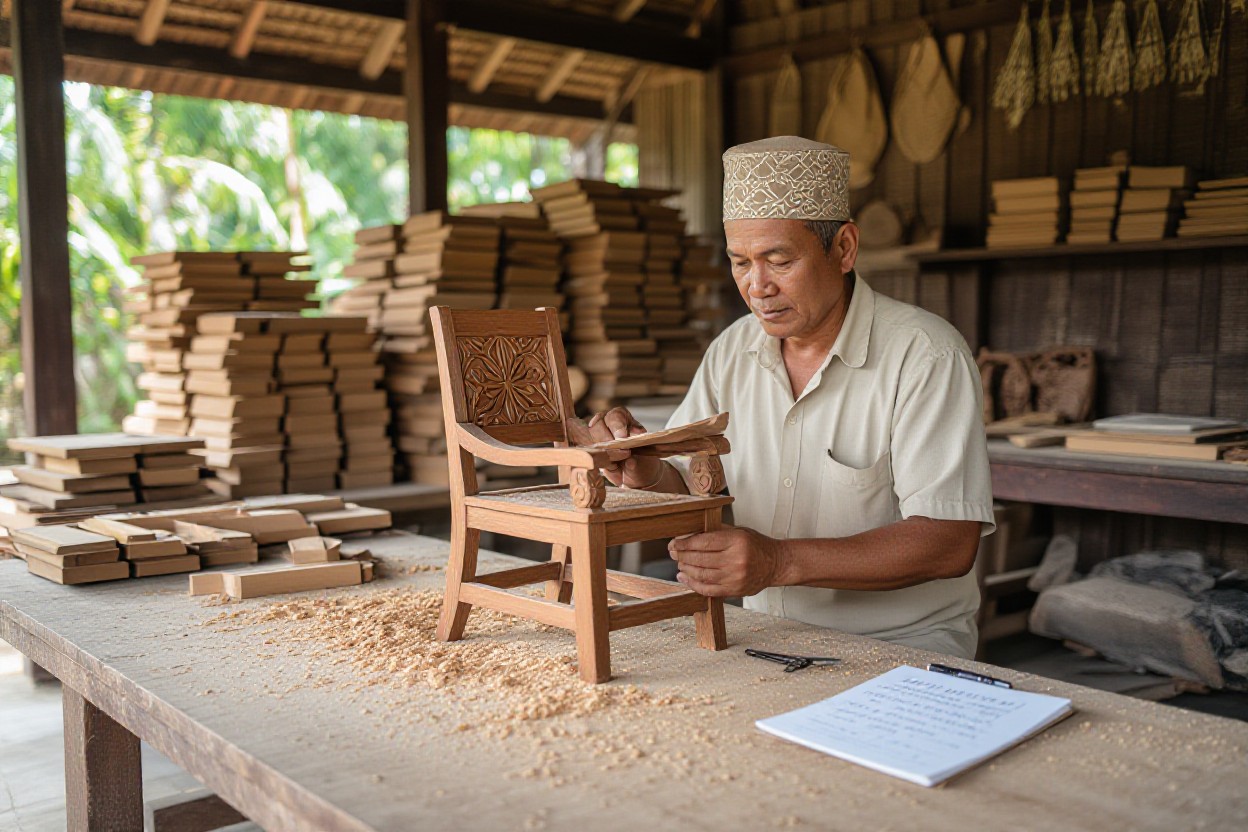
Factors That Affect Cost You Should Know
Getting to Grips with Pricing
Biggest shock for most people? Two pieces that look almost identical on Instagram can be double the price once you hear the quote. That usually comes down to what you don’t see: timber grade, moisture content, furniture joinery standards, type of finish, and how many hours of handwork go into your custom dining table or bed frame. Ask straight up if they are using kiln-dried teak or cheaper mixed hardwoods, because properly dried export wood specs can add 20-30% to the cost but save you from warping and cracking later.
On top of that, size and design complexity quietly push the number up fast. A 2.4 m solid teak dining table with a thick top, custom edge profile, inlay detail, and high-end hardware can be 40-60% more than a clean, simple slab table in the same length. When you run through your checklist custom order Bali style, get separate line items for timber, labor, finishing, hardware, and packing so you actually see what you’re paying for rather than guessing in the dark.
- Type and grade of timber (solid teak vs mixed hardwood vs veneer)
- Moisture content and kiln-drying process for export wood specs
- Joinery method and construction quality
- Complexity of design, curves, carving, and custom details
- Finish type (oil, lacquer, polyurethane, outdoor-grade systems)
- Hardware quality (hinges, runners, connectors, brackets)
- Packing, fumigation, and export documentation fees
- Shipping, insurance, and local delivery at your destination
The smarter you get about each of these cost drivers, the easier it is to ask the critical questions custom furniture Bali makers wish more clients would actually bring up.
What You Might Want to Budget For
Most people set a number in their head for the furniture, then get blindsided by all the add-ons that are not really add-ons at all. You are not just paying for the piece; you’re paying for solid joinery, reliable finishing, compliant export wood specs, safe packing, and getting it from Bali to your home in one piece. A good rule of thumb: total landed cost (furniture plus logistics) can be 1.3x to 1.8x the workshop quote, depending on volume and your country.
Shipping is where that “cheap Bali furniture” fantasy usually dies. A single custom sideboard might be 800 USD to build, then you realize consolidating in a shared container, paying for fumigation, export fees, and port charges can add another 400-700 USD. If you scale up to a small 20-foot container for a full villa fit-out, the per-item shipping cost drops, but you’re suddenly talking several thousand dollars in one hit, which is why how to order furniture in Bali is as much about logistics planning as it is about design.
Once you zoom in a bit, you’ll see you also need to budget for on-site assembly, touch ups, and the occasional fix after transit. If your Bali furniture maker offers a Bali furniture warranty, ask very clearly what happens if a piece cracks after it reaches your country – will they cover partial repair costs, send replacement parts, or just offer advice. The small line items like upgraded hardware, moisture-resistant finishes, and pro packing might feel like annoyances on the quote, but in real life those are the exact things that separate a piece that looks good for six months from one that still feels solid ten years later.
Pros and Cons of Custom Bali Furniture – Is It Worth It?
| Pros | Cons |
|---|---|
| Perfect sizing for tricky spaces, like narrow villas or oddly shaped terraces | Longer lead times – 4 to 12 weeks is common for custom orders |
| Design freedom so you can match existing pieces, textiles, or your brand concept | Higher upfront cost compared to off-the-floor or mass-produced items |
| Better materials control if you specify kiln-dried timber and export wood specs | Risk of miscommunication if your checklist custom order Bali is vague or incomplete |
| Stronger furniture joinery standards when you ask targeted build-quality questions | Quality can vary wildly between workshops, especially in tourist-heavy areas |
| Long-term value for rentals, cafes, and villas that need durable, statement pieces | Limited or unclear Bali furniture warranty if you do not negotiate terms upfront |
| Ability to engineer for heavy use, like 120 kg+ seating capacity per chair | Harder to resell highly specific custom designs if your style changes later |
| Opportunity to support small artisan workshops and traditional carving skills | Potential export issues if wood species or moisture content don’t meet your country’s rules |
| Consistency across multiple units for hotels and villas when you order in batches | More time needed from you for approvals, measurements, and sample checks |
| Chance to fix design flaws from your previous furniture by upgrading details | Repairs or adjustments might require shipping back to Bali or hiring a local carpenter |
| Stronger sense of ownership and story behind each piece in your space | If you skip key questions, you can end up with beautiful pieces that don’t actually fit your daily use |
The Upsides
What usually surprises people first is how precise you can get with sizing in Bali, like knocking 3 cm off a tabletop so it clears a door frame or raising a sofa by 2 cm so your robot vacuum fits underneath. When you actually sit down with a maker and walk them through your space photos, you feel how different this is from grabbing something random off a showroom floor. You can dictate seat height, cushion density, even the radius of table corners so your kids don’t keep smashing their heads, which is a big deal if you’re kitting out a rental or family villa.
On top of that, you get a lot more control over what goes inside the furniture, not just how it looks on Instagram. You can insist on kiln-dried teak at 12-15% moisture, specify interior vs exterior finishes, and get your maker to follow export wood specs if you’re shipping to Australia or Europe. When you combine that with clear questions about furniture joinery standards – like asking for mortise-and-tenon joints on chairs, not just screws and glue – you end up with pieces that actually last years in humid coastal air instead of warping after one rainy season.
The Downsides
What catches most people off guard is that custom Bali furniture actually needs more work from you, not less, especially if you want to avoid nasty surprises. You can’t just send a Pinterest photo and hope for the best; you need exact measurements, front and side sketches, fabric specs, and a mini checklist custom order Bali that covers things like finish type, leg caps, hardware, and even how the piece will be packed. If you skip that level of detail, you’re basically gambling with your budget and your timeline.
There is also the time factor that nobody talks about in the holiday brochures. Custom builds easily hit 6-8 weeks, sometimes 10-12 in peak season, and if your villa opening or container date is fixed, that lag can really hurt. Add on the possibility of one revision cycle – like changing cushion density or fixing a color mismatch – and your how to order furniture in Bali plan suddenly needs a buffer baked in. And without a written Bali furniture warranty that spells out what happens if joints crack or doors warp within 6 months, you can end up paying twice: once to make the piece and again to fix it locally when it fails.
So you need to be very clear-eyed about the trade-off: you get near-perfect fit and very personal pieces, but you pay in time, involvement, and a bit of risk on the outcome. If you’re willing to ask pointed questions about joinery, kiln drying, finishes, and export wood specs – and actually document everything in your order form or even a simple one-page agreement – then the downsides become manageable instead of painful. If you’re in a rush, hate back-and-forth messages, or don’t care about detailed specs, you’re usually better off with ready-made pieces or semi-custom tweaks rather than diving fully into custom from scratch.
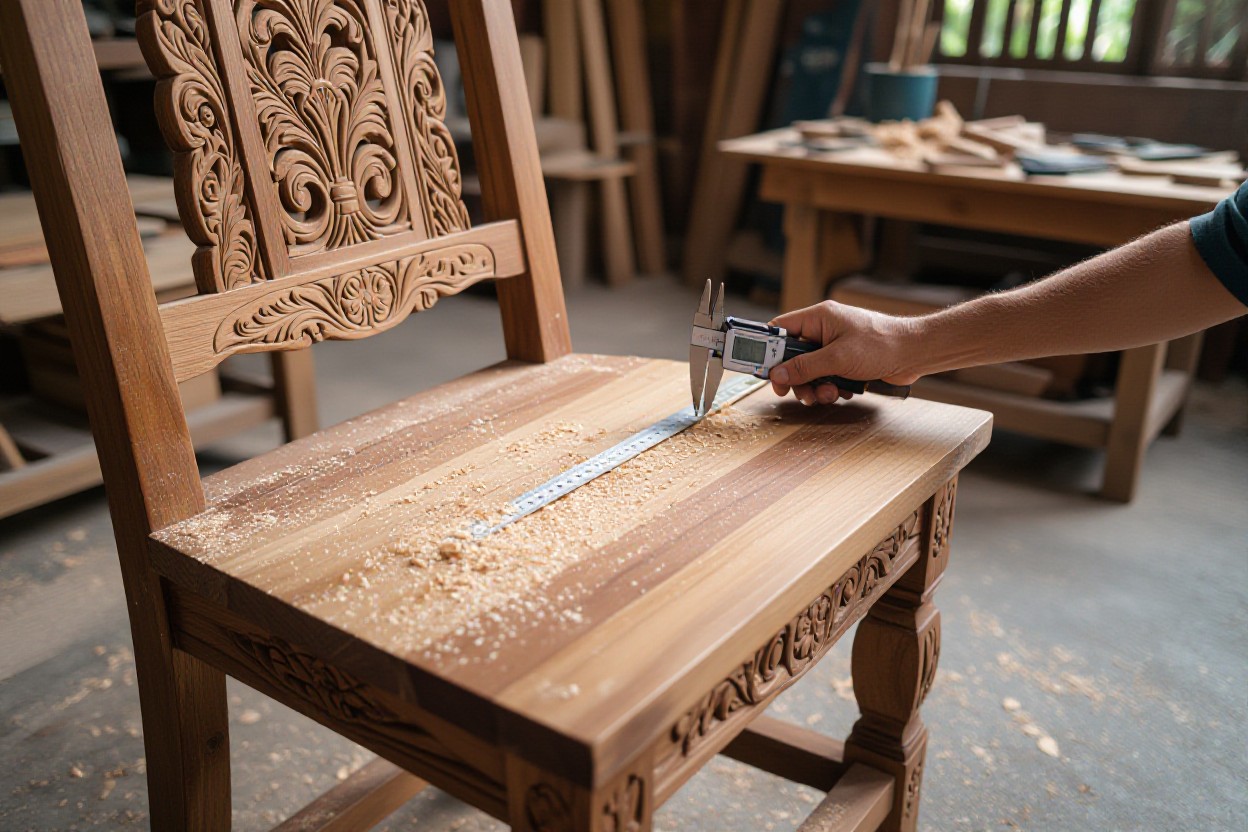
The Perks and Drawbacks of Custom Furniture
Honestly, Is It Worth It?
Custom furniture in Bali is a bit like tailoring a suit instead of buying off the rack: it fits your space, your lifestyle, and your taste, but it also comes with a higher tab and a longer wait. When you sit down with a Bali furniture maker, you’re not just paying for timber and labor, you’re paying for design tweaks, test samples, upgraded furniture joinery standards, export wood specs that pass Australian or EU rules, and usually 6-10 weeks of production and finishing. If you want kiln-dried teak at 8-12% moisture with a 2-year Bali furniture warranty on structure, that’s a different budget than a quick, locally-used “villa grade” piece.
What tips the scale is how you value longevity and control. If you’re fitting out a rental villa or a chain of cafes, getting 10 matching tables at 160 x 80 cm, with the same 30 mm top thickness, rounded corners at a precise 20 mm radius, and powder-coated metal frames, solves problems you’ll never have to think about again. On the flip side, if you just want a cheap TV console and you’re not fussed about slight warping or color variation, then a custom route may feel like overkill and your checklist custom order Bali might actually be shorter than buying ready-made.
Benefits That Might Surprise You
One big hidden perk is control over quality that you simply don’t get with mass-market imports. You can literally specify, in your Critical questions custom furniture Bali, things like: “closed finger-joint lamination only, no butt joints,” “no sapwood visible on front faces,” and “tenon depth minimum 25 mm.” A good Bali workshop will respond with drawings, section cuts, and sometimes a short video walking you around a sample so you can tweak before they build the full batch. This is where your how to order furniture in Bali knowledge stops being theory and starts saving you money long term.
Another unexpected upside is that you can build for export from day one. Instead of buying something that looks great in Bali but fails your country’s standards, you can ask up front for export wood specs: FSC-certified teak or oak alternatives, non-formaldehyde glue, finishes that comply with EU REACH or US CARB, and packing built to survive a 30-day sea container. That means when you scale from one villa to a full hospitality rollout, you’re not reinventing the wheel – you’re just copying and pasting a spec sheet you already tested, maybe even one you created after reading your main “comprehe” guide in the pillar article.
Digging a bit deeper, you also get leverage in negotiations that most buyers ignore. Because your specs are so clear, you can say, “If you hit this moisture range, this joinery detail, and this warranty, I’ll reorder 20 more pieces in 6 months,” which is very attractive to a workshop. That small promise of repeat business often unlocks better pricing, priority in the production queue, and extras like free on-site touch-ups or stronger packing for mixed containers, so your custom habit quietly starts turning into an asset instead of just a splurge.
My Take on What to Ask Your Maker – Don’t Forget These Questions!
Quality and Warranty
I still think about the couple from Sydney who thought they were getting “solid teak” only to discover after a wet season that half their dining table was veneer over mixed hardwood. You don’t want that surprise, so you ask straight out: “Is this 100% solid wood, any veneer, any finger-jointed panels?” and “What grade of teak or oak are you using?” Then dig into the boring-sounding stuff that actually decides if your piece lives or dies: furniture joinery standards (are they using proper mortise-and-tenon or just screws and brackets?), moisture content (you want kiln-dried to around 10-12% for export), and finishing system (oil, NC lacquer, PU, water-based). These details separate a piece that warps in 6 months from one that still looks great in 6 years.
Next, you get very specific about Bali furniture warranty, because the default here is often “no written warranty unless you ask”. Ask for the warranty in writing: what period (6 months, 1 year, 2 years?), what is covered (only structural, or also finish, hardware, and movement cracks over X mm), and how claims are handled if you’re already back home. Clarify if outdoor teak comes with a different coverage than indoor pieces, and whether they’ll repair, replace, or refund if something goes wrong. And if you’re exporting, ask how shipping damage is handled and who files the claim. This sounds nitpicky, but it turns your Critical questions custom furniture Bali checklist into an actual safety net, not just wishful thinking.
Customization Options
A client once showed me a Pinterest photo of a “simple” bench, then nearly doubled their budget after discovering how many tiny custom tweaks they actually wanted. You want to get all of that out in the open with your maker from day one. Ask exactly what they can customize: dimensions to the centimeter, seat height, thickness of the top, edge profile, drawer layout, leg position, stain color, sheen level, hardware color – the boring details that make the piece look intentionally designed in your space, not just dropped in. Then follow it up with “What can you NOT change on this design?” so you know where their construction method or tooling hits a hard limit.
For materials, ask if they can match specific export wood specs – for example, “Can you use FLEGT-licensed or FSC-certified teak?” or “Can you work in American white oak at 25 mm finished thickness?” If you’re ordering for a rental or cafe, ask if they can upgrade to heavy-duty drawer runners, higher density foam, marine-grade outdoor finish, or stainless hardware, and what that does to price and lead time. The more granular your checklist custom order Bali, the fewer surprises you’ll have when you unbox everything at home and realize that what looked good in the WhatsApp photo doesn’t quite hit the mark in your living room.
Because this part can get messy fast, it really helps if you go in with a written list for how to order furniture in Bali: your max external dimensions, preferred seat height (45-47 cm for most dining chairs), table height (around 75 cm), mattress thickness if you’re doing a bed, clearance for robot vacuums, even where the power outlets sit so they can plan cable cutouts or grommets. Add screenshots with circles and arrows, write notes directly on photos, and if your maker has a workshop visit, use that time to point at real pieces and say “I like this leg, but thicker” or “This finish, but slightly darker”. It feels fussy in the moment, but it saves you months of back-and-forth and ties in perfectly with the broader “comprehe [link to pillar article]” approach you’ll use for bigger projects later.
Final Words
Ultimately, you want to walk away from your Bali workshop visit feeling like you actually ran through a real-world checklist custom order Bali buyers use all the time, not that you just pointed at a Pinterest photo and hoped for the best. When you ask the right Critical questions custom furniture Bali makers respect – about furniture joinery standards, Bali furniture warranty details, export wood specs, and how to order furniture in Bali step by step – you turn a risky guess into a clear, confident decision. And that confidence shows up later when your custom table lands in your living room, fits perfectly, sits solid, and you know exactly who built it, how, and with what.
On your next project, treat those 5 questions like your non-negotiable baseline, then layer on anything else that matters to your space, lifestyle, or brand so every piece feels intentionally made for you. If you want to go deeper into specs, finishes, and long-term care beyond this quick wrap-up, use this as a starting point and then jump over to the comprehe [link to pillar article] for a full breakdown that you can literally keep open on your phone while you talk to your Bali furniture maker.
Conclusion
Upon reflecting on what it really takes to order custom furniture in Bali without nasty surprises, you can see it all comes down to asking sharper questions, not just picking pretty photos. You now have a practical checklist custom order Bali makers actually respect, from clarifying furniture joinery standards and Bali furniture warranty terms to nailing export wood specs before deposits leave your account. When you use these critical questions custom furniture Bali conversations get way more transparent, so you can weed out the talkers and stick with makers who genuinely know their craft and are set up to ship globally.
Because at the end of the day, you want pieces that look good, feel solid, and clear customs without drama – not something that warps in six months or gets stuck at the port because nobody checked measurements or moisture content. So as you map out how to order furniture in Bali, keep these questions front and center, pair them with your own style preferences, and build your own little Bali-proof decision system. And if you want to go deeper into timelines, shipping, and larger project planning, you can plug all of this into the broader insights in the comprehensive guide so your next order feels more like a confident investment than a gamble.